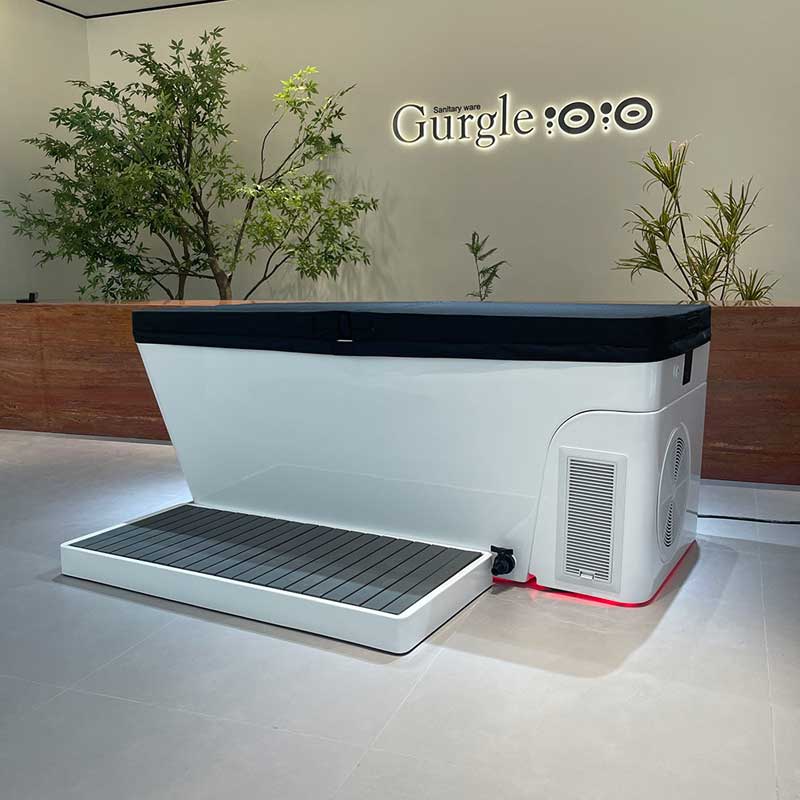
Marin County's cold plunge conversation is the most sophisticated in the country — residents here know the Susanna Søberg research on deliberate cold exposure, understand the difference between the initial shock response and the sustained therapeutic response, and have specific questions about protocol before they buy. A cold plunge tub from Rejuvatec ships to your Belvedere address and answers those questions with a medical-grade unit designed for the serious practitioner. Call (561) 782-5289 to speak with a specialist today.
 The Marin trail running and cycling community has been an early adopter of structured cold water immersion, and the protocol questions they ask are specific: how cold, how long, how often, at what time of day relative to training? The current research consensus: for athletic recovery, 50–59°F for 5–15 minutes within 30 minutes post-exercise produces the strongest acute anti-inflammatory response. For dopamine and norepinephrine, morning cold exposure (not necessarily post-workout) at 55–59°F produces the most sustained neurochemical effect. Daily sessions are safe and beneficial. The cumulative adaptation — improved vagal tone, reduced systemic inflammation, better insulin sensitivity — emerges over 4–8 weeks of consistent practice.
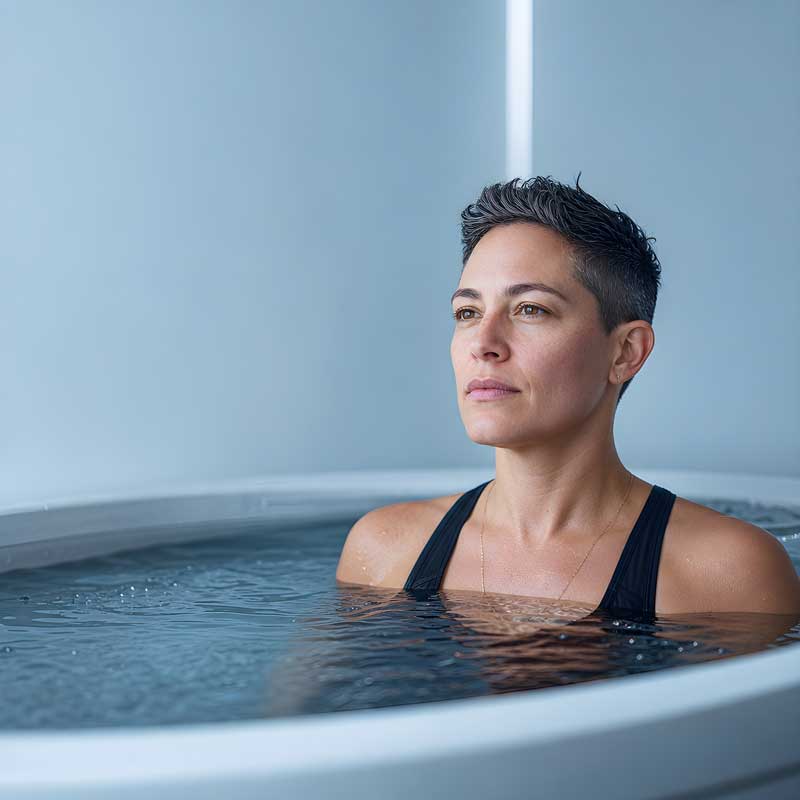 The marine layer that defines Belvedere’s mornings produces an ambient temperature that enhances the cold plunge’s physiological effects. The thermal contrast between a cool Marin morning (55–65°F ambient) and a 52°F plunge is sharper than the same plunge in a warm climate, producing a more pronounced vasoconstriction response and a stronger norepinephrine surge. The post-plunge rewarming in cool coastal air is also more gradual, which extends the parasympathetic recovery period that follows the acute sympathetic response of the plunge itself. The fog that makes Belvedere what it is physiologically enhances the practice. Read the full research on cold water immersion protocols.