People have been cold-water plunging in Maine for as long as there have been people in Maine. The difference between jumping off a dock at Seal Harbor in July and a purpose-built cold plunge tub is what the Rejuvatec unit provides: precise temperature, clean filtered water, and the controlled therapeutic protocol that separates an exhilarating tradition from a documented recovery intervention. Ships to Seal Harbor now. Call (561) 782-5289 or order online.
 Mount Desert Island has a long tradition of cold water exposure — the dock at Seal Harbor, the rocks off Northeast Harbor, the cold Atlantic that makes July swims feel like a ceremony of arrival. What the research on deliberate cold water immersion adds to that tradition is specificity: how cold (50–59°F), how long (5–15 minutes), how often (3–5 times per week), and at what time relative to activity (immediately post-exercise for anti-inflammatory benefit, morning on non-exercise days for neurochemical effect). The tradition was right. The research explains why and optimizes the protocol.
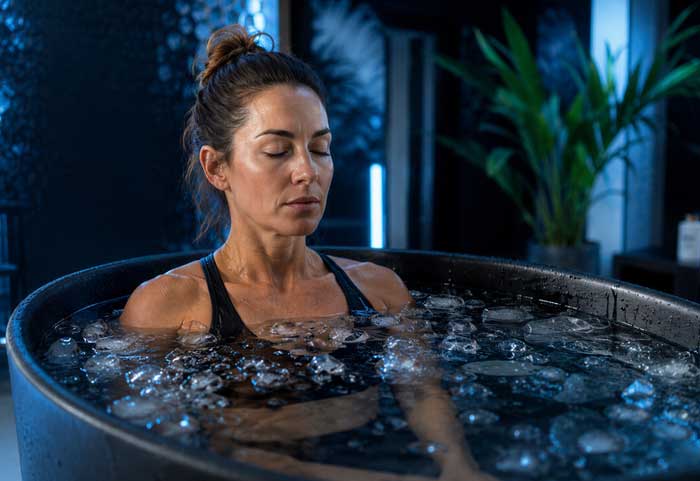 Precipice Trail and the Beehive produce the kind of leg fatigue that benefits from acute anti-inflammatory cold water immersion — and the Atlantic off Seal Harbor is at the right temperature for most of the summer to provide it. The limitation is control: ocean immersion involves active movement, variable temperatures (the harbor runs 58–65°F depending on month and conditions), and no ability to set and hold a precise protocol. A home cold plunge at 52–55°F for a controlled 10 minutes after an Acadia day produces a more reliable therapeutic outcome than the harbor swim, and is available after the hike regardless of tide, swell, or whether you’re willing to get back in the car. Read the research on cold water immersion for athletic recovery.