Skiing the Yellowstone Club's 2,900 acres of private terrain is one of the more physically demanding ways to spend a week, and the injuries and chronic pain that serious mountain skiing produces are proportional to the commitment. The ARPwave machine from Rejuvatec ships to your Big Sky or Yellowstone Club address and addresses the neuromuscular root cause of ski-related knee pain, ACL recovery, and the chronic joint conditions that accumulate from decades of mountain sport — without surgery, without drugs, at home. Call (561) 782-5289 to speak with a Rejuvatec specialist today.
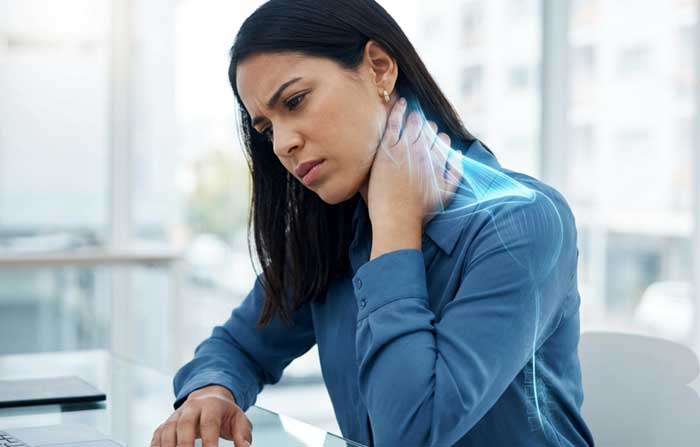 ACL tears, meniscus injuries, and chronic knee pain are the injuries that end Yellowstone Club ski seasons early and alter careers in mountain sport permanently. The standard path — surgery, immobilization, months of traditional rehabilitation — produces acceptable outcomes but rarely restores the neuromuscular function that determines long-term knee health and reinjury risk. Most people who have gone through ACL surgery and completed PT still don’t have the quad and hamstring recruitment patterns that the knee needs for confident, powerful skiing. ARPwave specifically retrains those patterns.
Used in post-surgical rehabilitation programs and in NFL training rooms for exactly this application, ARPwave delivers a bioelectrical current that works at the neuromuscular level — re-establishing the muscle recruitment sequencing that surgery disrupts, accelerating the return of quad inhibition recovery, and building the neurological foundation that makes physical strength gains actually transfer to functional movement on the mountain.
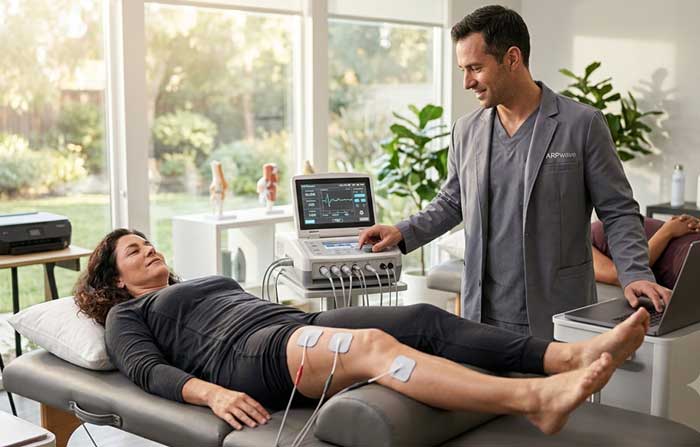 Physical therapy restores strength and range of motion. It does not directly address the neurological component of injury — the disruption to muscle recruitment patterns that every significant injury or surgery produces. A quadriceps that tests strong in isolation but doesn’t recruit correctly in dynamic movement is a quad that will produce knee instability, compensation injuries, and eventually the reinjury that takes a second season. ARPwave targets the neurological layer specifically: it identifies where muscle activation is absent or misfiring and delivers the bioelectrical stimulus that retrains the pattern.
For Yellowstone Club members who have done the PT, done the gym work, and still don’t have the knee confidence they want on technical terrain — this is the missing piece. Read more about ARPwave for ACL rehabilitation.
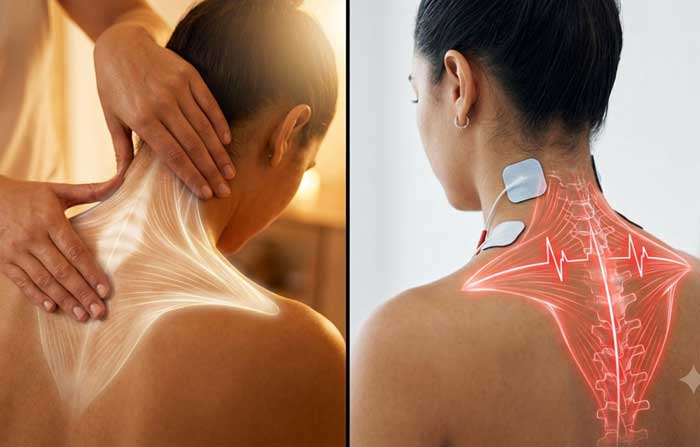
Decades of skiing, hiking, and mountain biking create chronic joint conditions that most mountain sport athletes have accepted as permanent: persistent knee pain on technical pitches, lower back tension that limits the aggressive body position effective skiing requires, hip flexor and IT band tightness from sustained mountain posture. ARPwave addresses the neuromuscular compensation patterns that drive these conditions — the layers of guarding and incorrect recruitment that the body has built up around old injuries and accumulated stress. It does not treat symptoms. It retrains the system that generates them.
Managing chronic pain with NSAIDs at altitude creates specific physiological concerns: ibuprofen’s effect on renal blood flow is amplified at elevation, and long-term NSAID use carries GI and cardiovascular risks that are no less real because they’re familiar. ARPwave provides genuine, lasting pain reduction without any pharmaceutical burden — which is why it has been adopted by professional athletic programs that need effective pain management without the systemic costs of pharmaceutical approaches.