Infrared vs. Steam: The Daily Use Argument
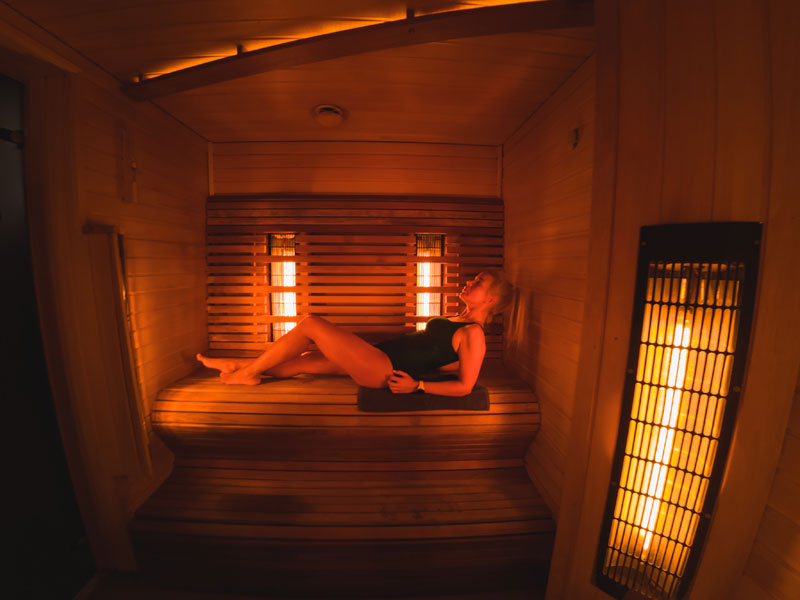
Many Holmby Hills master bathrooms include steam rooms that get used rarely. Steam requires heating the room to extreme conditions, takes 20–30 minutes to warm up, and is most comfortable for sessions under 15 minutes — which is below the therapeutic threshold for the cardiovascular and sleep benefits. An infrared sauna heats to 120–150°F ambient (body temperature rises through tissue absorption, not air temperature), heats up in 15–20 minutes, and supports 30–45 minute daily sessions comfortably. The daily use frequency is what produces the compounding health outcomes. Infrared enables that frequency in a way that steam does not.
What the Cardiovascular Data Actually Shows
The Finnish research that Holmby Hills buyers reference in other health contexts applies directly here: 20 years, thousands of subjects, and a dose-response relationship that associates sauna use 4–7 times per week with 40% reduced cardiovascular mortality compared to once-weekly use. The mechanisms are understood — cardiac output improvement under heat stress, reduced arterial stiffness, autonomic nervous system rebalancing — and they require the frequency that only a home installation can produce. That’s the investment case for a permanent sauna in this context.
Cold Plunge + Infrared Sauna: The Complete Protocol
For Holmby Hills residents who already have cold plunge infrastructure, the infrared sauna completes the contrast therapy protocol that delivers the most complete daily recovery. Cold plunge in the morning: cortisol up, sympathetic system activated, post-workout inflammation controlled. Infrared sauna in the evening: cortisol down, parasympathetic activated, sleep onset improved. The combination produces a complete daily autonomic cycle that neither alone provides.