Acadia Recovery and the Cold Water Problem
Precipice Trail puts 1,000 feet of technical climbing on your quads in 1.6 miles. The Beehive requires hand-over-hand scrambling above the ocean. Penobscot Mountain offers long ridge walks on granite footing that accumulates ankle and hip load in patterns that sleep alone doesn’t clear. And the ocean off Mount Desert runs 55°F in August — cold enough to produce vasoconstriction that leaves joints and connective tissue stiff for hours after a swim.
A home
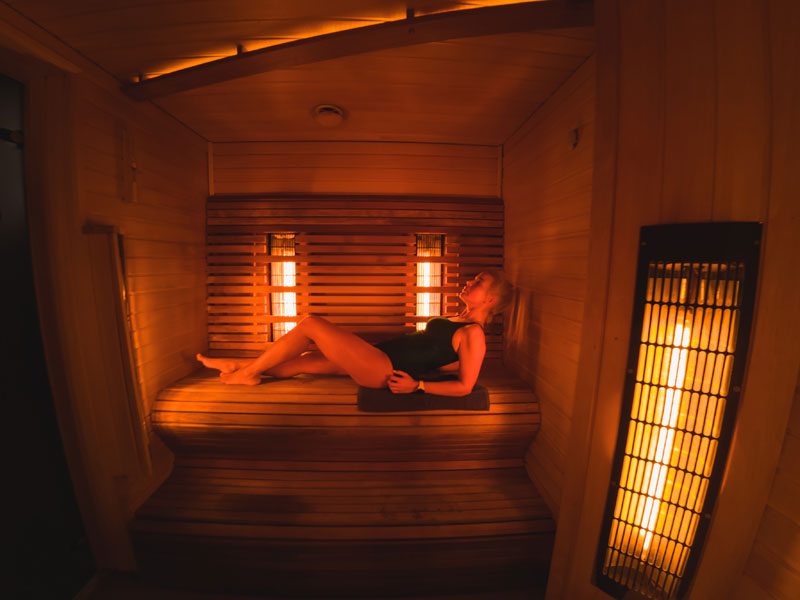
infrared sauna addresses both the Acadia hiking recovery and the cold-water recovery through the same mechanism: far-infrared heat penetrates to the tissue layers where the load and the cold accumulation live, increases circulation there specifically, and clears the inflammatory markers before they set overnight. The session before dinner after an Acadia day changes what the next morning’s trail feels like. Read the evidence on post-activity infrared recovery.
Four Months Plus — Making the Investment Work for a Seasonal Home
The Seal Harbor season has extended. What was July–August for earlier generations has become June through October for many families — and increasingly year-round for those who have embraced the shoulder seasons that make Mount Desert particularly extraordinary. A permanent sauna installation earns its value differently at a year-round property than a seasonal one: the cabin supports daily use through twelve months, builds the long-term cardiovascular and inflammatory benefits documented in the Finnish longitudinal research, and becomes the wellness infrastructure that the property returns to rather than something packed away in October.
Even for strictly seasonal owners, the four-month summer season — with daily use from arrival to departure — produces measurable health benefits within the first two weeks and meaningful cardiovascular and anti-inflammatory outcomes over the full season.